
Who Is Liable for an Assault on Private Property?
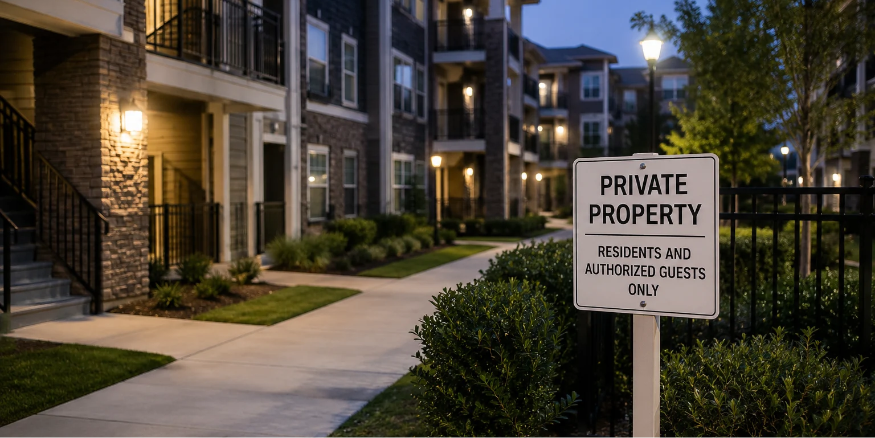
An assault on private property can leave victims and families with painful questions. Why did this happen? Could someone have prevented it? And who, besides the person who committed the attack, may be responsible for the harm that followed?
The person who carried out the assault may face criminal charges, but a criminal case is not the same as a civil claim. In some situations, a property owner, landlord, business, security company, or another party may also be civilly liable if negligence helped create the conditions that allowed the assault to happen.
Liability Starts With the Person Who Committed the Assault
The person who committed the assault is responsible for their own actions. Law enforcement may investigate, prosecutors may decide whether to bring charges, and the criminal court process may address punishment, restitution, or other consequences. However, a criminal case does not always address the full impact on the victim.
Medical bills, lost income, counseling costs, trauma, pain, fear, and long-term changes to daily life can continue long after the criminal case begins. A civil claim can look at whether another party failed to meet its legal responsibilities before the assault occurred.
When a Property Owner May Be Liable
A property owner may be liable when they fail to take reasonable steps to protect people from a foreseeable risk of violence. This does not mean every assault on private property leads to a valid claim against the owner. The key question is whether the property owner knew, or should have known, about a danger and failed to respond in a reasonable way.
Warning signs may include prior violent incidents, repeated complaints, broken access points, unsafe lighting, ignored threats, or a pattern of criminal activity on or near the property. If those risks were known and the owner did little or nothing to address them, the victim may have a negligent security claim.
Reasonable security depends on the property and the circumstances. In some cases, it may involve working locks, controlled access, trained security staff, lighting, cameras, patrols, or better emergency procedures. A property owner does not have to guarantee that no crime will ever happen, but they cannot ignore preventable dangers.
Common Places Where Negligent Security Claims Arise
Negligent security claims can happen on many types of private property, including apartment complexes, hotels, motels, parking garages, bars, nightclubs, shopping centers, gas stations, retail stores, office buildings, and private event spaces.
Each property has different safety concerns. A nightclub with late-night crowds may need different precautions than an apartment complex, hotel, or parking lot. Liability depends on who controlled the property, what risks were known, and whether reasonable action could have reduced the danger.
Other Parties May Share Responsibility
The property owner is not always the only possible defendant. Depending on what happened, responsibility may involve a property management company, commercial tenant, event organizer, security contractor, maintenance company, or business operator.
For example, a landlord may own the building, but a property management company may handle day-to-day safety issues. A bar may rent space from a building owner but control security inside the business. A security company may have been hired to patrol the property but failed to follow its own procedures. Sorting out who had control, who knew about the danger, and who had the power to fix it is an important part of the investigation.
Assaults at Apartment Complexes
Apartment complex assault cases often involve access control and resident safety. If tenants reported trespassers, broken gates, defective locks, poor lighting, or prior attacks, management may have had notice that residents and guests were at risk.
Landlords and property managers must take reasonable steps to address known dangers. When they fail to respond to repeated complaints or leave unsafe conditions unresolved, those choices may become central to a negligent security claim.
Assaults at Bars and Nightclubs
Bars and nightclubs can present unique safety risks because of crowds, alcohol, late-night hours, and prior disturbances. These businesses may need trained staff, proper crowd control, security at entrances, and clear procedures for responding to threats, fights, or aggressive patrons.
A claim may arise if staff saw warning signs and failed to act, allowed a dangerous situation to escalate, or removed someone in a way that created more danger outside the business. These cases often require a close look at staffing levels, surveillance video, incident reports, and whether the business followed basic safety practices.
Assaults at Hotels, Stores, and Parking Lots
Hotels, stores, parking lots, and parking garages can also become unsafe when owners or operators fail to address known risks. These cases may involve isolated areas, poorly monitored entrances, inadequate lighting, lack of security patrols, or unsafe conditions that made it easier for an attack to occur.
A hotel may need to protect guests from unauthorized access. A store may need to respond to repeated incidents affecting customers. A parking lot or garage may require better lighting, visibility, or patrols depending on its crime history and layout. The question is whether the property owner or operator acted reasonably under the circumstances.
Does It Matter If the Attacker Was Never Caught?
A civil negligent security claim may still be possible even if the attacker was not arrested or convicted. The civil case focuses on whether another party’s negligence contributed to the harm. While identifying the attacker can help, the property owner’s conduct may still be investigated separately.
Police reports, witness statements, surveillance footage, and investigative records can play an important role. Even when the criminal case is unresolved, there may be enough evidence to evaluate whether the property was unsafe.
Evidence That Can Matter After an Assault
Evidence can disappear quickly after an assault on private property. Surveillance footage may be deleted, incident reports may be changed or misplaced, witnesses may become harder to find, and unsafe property conditions may be repaired before they are documented.
Helpful evidence may include police reports, 911 records, photos of the scene, medical records, witness names, prior crime reports, security logs, maintenance records, complaints to management, emails, text messages, and camera footage. A victim advocate or attorney can help identify what should be preserved before it is lost.
What Compensation May Be Available?
If negligent security or another form of negligence contributed to the assault, compensation may be available for medical expenses, future medical care, lost wages, reduced earning ability, counseling, trauma-related care, pain and suffering, emotional distress, and other losses. In fatal cases, surviving family members may also have legal options through a wrongful death claim.
Every case is different. The value of a claim depends on the severity of the injuries, the available evidence, the property’s history, insurance coverage, the conduct of each responsible party, and how Florida law applies to the facts. No one should promise a specific result before reviewing the details.
What Should You Do After an Assault on Private Property?
If you are in immediate danger, call 911. Your safety comes first, and medical care should not wait. After that, report the incident to law enforcement and, when appropriate, notify the property owner or manager in writing so there is a record of what happened.
Try to preserve anything connected to the incident, including photos, clothing, receipts, messages, medical paperwork, and names of witnesses. Avoid giving detailed recorded statements to insurance companies before speaking with someone who can explain your rights. And if you are helping a loved one, write down what you know while details are still fresh.
Frequently Asked Questions
Can I sue a property owner if I was a guest and not a customer?
Possibly. Liability is not always limited to tenants or paying customers. Depending on the circumstances, lawful visitors may have legal rights if they were harmed because of negligent security or another dangerous condition on the property.
Does a criminal conviction have to happen before I can pursue a claim?
Not necessarily. A civil claim and a criminal case are separate matters. In some situations, a negligent security investigation may move forward even if criminal charges were never filed or the attacker was never convicted.
How long do I have to file a negligent security claim in Florida?
The deadline to file a claim depends on the facts of the case and the laws that apply. Because important evidence can disappear quickly, it is often a good idea to speak with a victim advocate or attorney as soon as possible after an assault.
What if the property owner says they did not know the assault could happen?
Property owners are not automatically responsible for every crime that occurs on their property. However, liability may exist if they knew or should have known about a foreseeable risk of violence and failed to take reasonable steps to address it.
How VictimAdvocate.com Can Help
After an assault on private property, it can be hard to know whether the property owner, business, landlord, or another party may share responsibility. VictimAdvocate.com helps Florida crime victims and families look at what happened, understand their rights, and determine whether negligent security or another form of negligence may have played a role.
Our victim advocates can help identify potentially responsible parties, preserve key evidence, connect you with support resources, and pursue compensation for medical bills, lost income, emotional distress, and related losses.
If you or someone you love was harmed in an assault on private property, contact us to discuss your options in a free and confidential consultation. You only pay if we recover compensation for you.