
Can You Sue an Apartment Complex for Lack of Security?
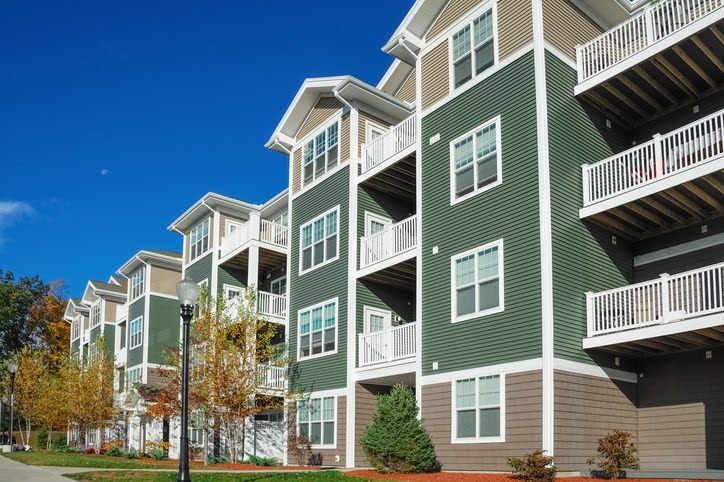
If you or someone you love was attacked, assaulted, robbed, shot, stabbed, or sexually assaulted at an apartment complex, you may be asking a painful question: could this have been prevented? Apartment complexes are not automatically responsible for every crime that happens on the property, and the person who committed the crime is responsible for their actions. But under Florida law, an apartment owner, property manager, or security company may also be held accountable if poor security helped create the conditions that allowed the violence to happen.
If you or a loved one has been affected by a violent crime at an apartment complex, you may be dealing with physical injuries, emotional trauma, financial stress, and uncertainty about what comes next. You do not have to navigate those challenges alone, and support is available. Understanding your rights is often an important first step.
These cases are often called negligent security claims. For survivors and families, they can be about answers, accountability, and making sure the same failures don’t keep putting other residents and visitors at risk. If you are in immediate danger, call 911.
What Does Lack of Security Mean at an Apartment Complex?
Lack of security does not always mean there was no security guard on-site. It can include any failure to take reasonable safety steps based on the risks at that property. At an apartment complex, that might involve broken gates, poor lighting, missing cameras, unsecured entrances, ignored resident complaints, or locks and access systems that do not work.
Examples may include:
- Broken or unsecured gates
- Poor lighting in parking lots, hallways, stairwells, laundry rooms, or common areas
- Missing, broken, or nonworking security cameras
- Doors, locks, or access systems that do not work
- Failure to respond to prior crimes or resident complaints
- Lack of controlled access to the property
- Inadequate patrols or security staffing
- Ignored reports of suspicious activity
- Failure to warn residents about known safety concerns
A small building with no history of violent crime may not require the same security as a large complex with repeated police calls, prior assaults, robberies, or break-ins. The key question is usually whether the apartment complex knew, or should have known, that residents or visitors faced a foreseeable risk of harm.
Can You Sue an Apartment Complex for Lack of Security in Florida?
Yes, you may be able to sue an apartment complex for lack of security if negligent security contributed to a violent crime or serious injury. A claim may involve an attack in a parking lot, breezeway, stairwell, elevator, laundry room, clubhouse, pool area, garage, or apartment entrance. Some cases may also involve attacks inside a unit when broken locks, faulty access control, or ignored safety concerns played a role.
To bring a negligent security claim, you generally need to show:
- You were lawfully on the apartment property
- A violent crime or attack occurred
- The apartment complex failed to provide reasonable security
- The risk of crime was foreseeable
- The security failure helped cause or worsen the harm
- You suffered physical, emotional, financial, or other losses
Apartment Complexes Are Not Insurers of Everyone’s Safety
Florida law does not make apartment complexes responsible for every possible crime. Property owners cannot control every person who enters a property, and they cannot guarantee that residents and visitors will never be harmed. That said, they cannot ignore known security risks either.
When an apartment owner or property manager knows about prior crimes, broken safety features, dangerous conditions, or repeated resident complaints, they may need to take reasonable steps to reduce the danger. That might mean repairing locks, maintaining gates, improving lighting, installing cameras, warning residents, or strengthening access control.
What Makes a Crime Foreseeable?
Foreseeability is one of the most important issues in a negligent security case. It asks whether the apartment complex had reason to anticipate a risk of crime or violence. A property with repeated police calls, prior attacks, broken gates, or ongoing safety complaints may have a very different duty than a property with no known history of similar problems.
Evidence of foreseeability may include:
- Prior assaults, shootings, robberies, burglaries, or sexual assaults at the property
- Police calls to the apartment complex
- Resident complaints about safety
- Reports of broken gates, locks, doors, or lights
- Known trespassing or loitering problems
- Prior warnings from law enforcement
- Crime patterns in or around the apartment community
- Internal incident reports from management or security
A single prior incident may matter. A pattern of repeated problems may matter even more. Sometimes the property’s own records tell the story, including ignored maintenance requests, unanswered complaints, broken access systems, or security recommendations that were never followed.
Florida’s Apartment Security Law May Affect These Cases
Florida has a law that gives certain multifamily residential property owners a presumption against liability if they substantially implement specific security measures. This law applies to multifamily residential properties, including apartment buildings or groups of residential buildings with at least five dwelling units on a parcel.
The listed security measures include cameras at entry and exit points, parking lot lighting, lighting in walkways and common areas, deadbolts, window locks, locked pool gates, and peepholes or door viewers on certain unit doors. The law also addresses crime prevention through environmental design assessments and crime deterrence and safety training for employees.
This does not mean every apartment complex is automatically protected from a lawsuit. The property owner or operator has the burden to show that it substantially implemented the required measures.
An attorney may need to look at whether the complex actually had the required security measures, whether they worked, whether the property stayed in compliance, and whether other failures contributed to the incident. Whether the law applies in a particular case often depends on a detailed review of the property’s security measures, maintenance records, and the surrounding facts.
Common Apartment Negligent Security Cases
VictimAdvocate.com helps people affected by violent crime and negligent security incidents at apartment complexes, including:
- Assault: Claims involving physical attacks in parking lots, hallways, stairwells, elevators, or other common areas.
- Robbery: Cases where poor lighting, broken gates, or lack of access control may have allowed a robbery to occur.
- Shooting: Legal support for victims and families affected by gun violence at apartment communities.
- Stabbing: Claims involving attacks that may have been connected to ignored security risks or unsafe property conditions.
- Sexual assault: Sensitive, survivor-centered legal guidance for people harmed by sexual violence at an apartment complex.
- Wrongful death: Support for families after a fatal violent crime where negligent security may have played a role.
What Evidence Can Help Prove Lack of Security?
Evidence can disappear quickly after a violent crime. Cameras may overwrite footage, broken locks may get repaired, lighting may be fixed after the fact, witnesses may move, and incident records may become harder to obtain. That is why documenting the condition of the property as early as possible can make a major difference.
Helpful evidence may include:
- Police reports
- 911 call records
- Security camera footage
- Photos or videos of broken gates, poor lighting, damaged locks, or unsafe conditions
- Maintenance requests
- Emails or text messages to management
- Prior complaints from residents
- Lease documents and property rules
- Security contracts
- Incident reports
- Witness statements
- Medical records
- Photos of injuries
- Records of prior crimes at or near the property
Try to save anything you have, even if it feels small. A text to the leasing office about a broken gate, a photo of a dark stairwell, or a neighbor’s complaint about the same issue may all become important pieces of evidence.
What Compensation May Be Available?
Every case is different, but compensation in an apartment negligent security claim may include:
- Emergency medical care
- Hospital bills
- Surgery or follow-up treatment
- Therapy and mental health care
- Medication
- Lost wages
- Reduced earning capacity
- Pain and suffering
- Emotional distress
- Relocation costs in some cases
- Funeral expenses in fatal cases
The value of a case depends on the severity of the harm, the available evidence, the property owner’s conduct, insurance coverage, medical needs, long-term impact, and how Florida law applies to the facts. Avoid anyone who promises a specific result without reviewing the evidence. A real case evaluation takes time, records, and careful investigation.
How Long Do You Have to Sue?
In Florida, many negligence claims must be filed within two years. Negligent security claims can involve strict deadlines, and some cases may have additional issues depending on the facts.
That does not mean you should wait. An early investigation can help preserve video footage, identify witnesses, document unsafe conditions, and obtain important records before they disappear.
What Should You Do After a Violent Crime at an Apartment Complex?
Your safety comes first. If you are in danger, call 911. If you need medical care, get treatment as soon as possible. When you are able, these steps may help protect your health, safety, and legal options:
- Report the incident to law enforcement
- Report the incident to apartment management in writing
- Take photos or videos of unsafe conditions
- Save messages, emails, maintenance requests, and notices
- Write down the names of witnesses
- Ask whether security footage exists
- Avoid giving recorded statements to insurance companies before getting legal guidance
- Speak with a victim advocate about your rights and options
Be gentle with yourself. After a violent crime, even simple tasks can feel heavy. You do not have to do everything at once, and you do not have to do it alone.
Frequently Asked Questions
Can a visitor sue an apartment complex for lack of security?
In some situations, yes. Florida negligent security claims are not limited to tenants. Guests, delivery drivers, vendors, and other lawful visitors may have legal rights if they were harmed because of a foreseeable security risk.
What if the person who attacked me was never caught?
A negligent security claim focuses on whether the property owner or another responsible party failed to provide reasonable security. In some cases, a claim may still be possible even if the person responsible for the crime was never identified or arrested.
Can I still have a claim if there were no security guards?
Not every apartment complex is required to have security guards. The issue is whether the property provided reasonable security under the circumstances. Depending on the facts, inadequate lighting, broken gates, faulty locks, or other security failures may be more important than the presence or absence of guards.
What if the apartment complex fixes the problem after the attack?
Property owners often repair broken gates, replace locks, improve lighting, or make other security changes after a serious incident. Those repairs do not necessarily prevent an investigation into what conditions existed before the crime occurred.
How VictimAdvocate.com Can Help
VictimAdvocate.com supports Florida crime victims and families after violent incidents involving apartment complexes, negligent security, assault, robbery, shooting, stabbing, sexual assault, and wrongful death. Our victim advocates can help you understand your rights, explore your options, and move forward.
We can review what happened, identify potentially responsible parties, connect you with resources, and evaluate whether the apartment complex, property management company, security contractor, maintenance company, or another party may be responsible.
Contact a Victim Advocate Today
If you or someone you love was harmed by violence at an apartment complex, you are not alone. Support is available. VictimAdvocate.com offers a free and confidential consultation, and you only pay if we recover compensation for you.