
What Evidence Should Crime Victims Preserve After an Assault at an Apartment Complex?
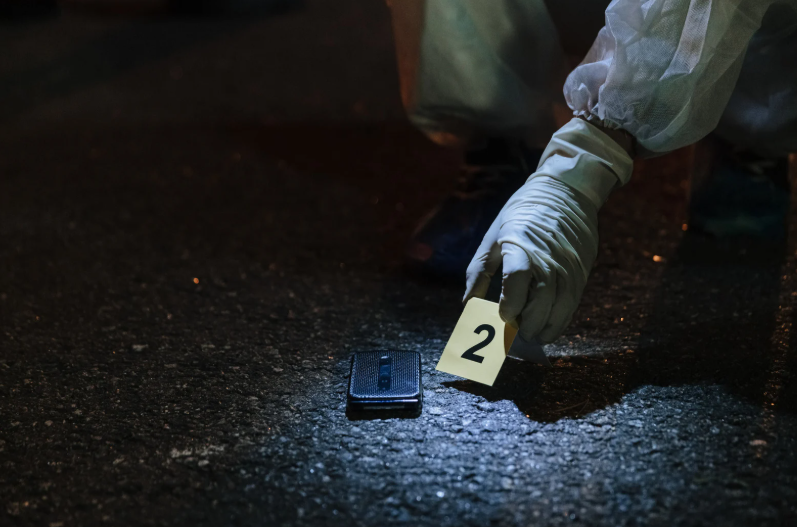
An assault at an apartment complex can leave victims dealing with physical injuries, emotional trauma, and uncertainty about what comes next. While your health and safety should always come first, preserving evidence as soon as possible can also be an important step. Evidence may disappear quickly after an incident. Security camera footage can be overwritten, witnesses can become harder to reach, and conditions at the property may change before they are documented.
If the assault may have been connected to inadequate security or unsafe conditions at the property, preserving evidence can help establish what happened and support a future legal claim. Even if you are unsure whether anyone besides the attacker may be responsible, keeping records and documenting the scene may prove valuable later.
Why Preserving Evidence Matters After an Apartment Complex Assault
Evidence can help establish what happened before, during, and after an assault. It may show where the incident occurred, identify potential witnesses, and help determine whether the apartment owner or management took reasonable steps to maintain a safe property.
Depending on the circumstances, evidence may help answer questions such as:
- Where did the assault happen?
- Were security cameras working?
- Was the area properly lit?
- Had similar crimes occurred at the property?
- Did management know about ongoing security concerns?
- Were gates, locks, or access systems functioning properly?
The sooner this information is documented, the less likely it is to be lost or unavailable later. Even details that seem minor immediately after an assault may become important as more information comes to light.
What Physical Evidence Should You Preserve?
Physical evidence can help document both the assault and the injuries you suffered. Small items are easy to overlook right after an assault, but they can matter once the facts of the case are reviewed.
Clothing and Personal Belongings
If your clothing or personal belongings may contain evidence, avoid washing, repairing, or throwing them away. Clothing, shoes, jewelry, bags, eyeglasses, cell phones, and other damaged personal items can all be worth preserving.
Whenever possible, store each item separately in a paper bag rather than a plastic one to help maintain its condition.
Damaged Property
Take photographs of any property damaged during the assault and keep the items if possible. A cracked phone, torn backpack, broken eyeglasses, or damaged watch may help document what occurred during the incident.
Take Photographs as Soon as You Can
Photographs often provide some of the clearest documentation after an assault because they capture injuries and property conditions before they change. If it is safe to return to the area, take pictures as soon as you reasonably can.
Photograph Your Injuries
Take clear photographs of bruises, cuts, swelling, scrapes, or any other visible injuries. Continue taking photos over the following days if bruising becomes darker or additional injuries become visible. A series of photographs may provide a more complete picture of your recovery than a single image taken immediately after the assault.
Photograph the Scene
If it is safe, photograph the location where the assault occurred from several angles. Include details such as broken gates, damaged fencing, poor lighting, broken locks, stairwells, parking lots, hallways, entrances, exits, security cameras, warning signs, and anything else that may help show the property’s condition at the time.
Wide-angle photographs can help show the overall layout, while close-up images may capture specific hazards or damaged property.
Keep Medical and Police Records
Seeking medical care should always be a priority after an assault, even if your injuries appear minor. Some injuries, including head injuries and internal injuries, may not be immediately obvious.
Keep copies of emergency room records, physician notes, imaging results, prescriptions, therapy records, counseling records, and medical bills. These documents can help establish both the nature of your injuries and the treatment you received.
If law enforcement responds to the incident, request a copy of the police report once it becomes available. Police reports often include observations from responding officers, witness information, and details about the incident that may become important later.
Save Every Communication Related to the Assault
Keep copies of emails, text messages, voicemails, and any written communication related to the incident. This includes conversations with apartment management, maintenance personnel, insurance representatives, or anyone else involved after the assault.
Routine-looking messages can still help establish a timeline or confirm what was reported after the incident.
Preserve Security Camera Footage
Many apartment complexes have surveillance cameras covering common areas such as parking lots, entrances, hallways, elevators, mailrooms, clubhouses, pools, and fitness centers.
Because many systems automatically overwrite recordings after a relatively short time, requesting that footage be preserved as soon as possible may improve the likelihood that it remains available.
Document Unsafe Security Conditions
The condition of the property may become an important part of a negligent security claim if inadequate security measures contributed to the assault. If you can safely do so, document anything that appears unsafe or poorly maintained.
Poor Lighting
Dark parking lots, sidewalks, stairwells, and building entrances can reduce visibility and make it harder for residents and visitors to recognize potential dangers. Photographs taken around the same time of day as the assault can give a more accurate picture of the lighting conditions.
Broken Security Features
Take photographs of broken gates, damaged fencing, malfunctioning key card systems, exterior doors that do not lock properly, broken windows, or other conditions that may have affected security. If you noticed these issues before the assault or know they had existed for some time, make notes about what you observed. Do not assume these conditions automatically establish liability, but they may become relevant depending on the facts of the case.
Keep a Journal During Your Recovery
Recovery often involves more than healing from physical injuries. Many victims also experience anxiety, disrupted sleep, emotional distress, or changes to their daily routines.
A journal can help you keep track of your symptoms, medical appointments, counseling sessions, missed work, physical limitations, and other ways the assault has affected your life over time.
Avoid Deleting Digital Evidence
After a traumatic event, it is common to delete messages, organize photos, or replace a damaged phone without realizing that important information may be lost.
Keep text messages, emails, photographs, social media posts, and other electronic records related to the assault whenever possible. Backing up this information in more than one location can help ensure it remains available if needed later.
Why Acting Quickly Can Make a Difference
Evidence does not always stay available for long, and some of it can disappear within days. That does not mean you need to have every answer immediately. Taking reasonable steps to document the incident and keep related records in one place can make it easier to understand what happened and protect your legal rights.
Speak With Victim Advocate About Your Rights
If you were assaulted at an apartment complex, acting promptly to preserve evidence may help protect information that could become difficult to obtain later. Surveillance footage, photographs, witness information, and other records are often easier to locate soon after an incident.
We help crime victims throughout Florida understand their legal rights after an assault. If you have questions about your situation, or whether negligent security may have played a role, reach out to our Victim Advocate team to schedule a confidential consultation. You don’t pay us unless we get you money.
Contact us now to get started.