What Victims Should Know After a Parking Lot Shooting
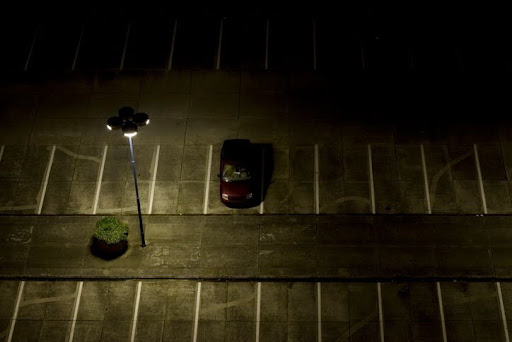
A parking lot shooting can leave victims and families facing acute fear, confusion, unpaid medical bills, police questions, and uncertainty about what to do next. In the first hours and days after the incident, your safety and medical care must come first. Once immediate danger has passed, preserving physical evidence, documenting lighting conditions, and securing medical records can help determine if unsafe property conditions contributed to the violent act.
A shooting does not automatically mean a property owner, management company, security company, or another party is legally responsible. These cases depend entirely on the specific facts. In some situations, a civil claim may involve questions about whether the crime was reasonably foreseeable, whether the property had documented security problems, and whether a failure to use reasonable security measures contributed to your injuries.
If you or a loved one were injured in a parking lot shooting, immediate action can protect both your physical recovery and your legal rights. Knowing how to preserve evidence and identify unsafe property conditions can make a critical difference.
1. Call 911 and Move Away From Continuing Danger
Your first priority is getting to safety. If there is any chance the shooter is still nearby, move away from the immediate area if you can do so safely. Call 911 as soon as possible, or ask someone nearby to call for help.
When speaking with emergency dispatchers, try to provide:
- The name of the business, apartment complex, shopping center, garage, or property
- The closest address or cross streets
- A description of where the shooting happened within the parking lot
- Whether anyone needs immediate medical assistance
- Whether the shooter is still present or has left the area
Do not return to the scene to gather evidence if doing so could place you in danger. Law enforcement and emergency medical responders must handle the immediate scene.
2. Seek Emergency and Follow-Up Medical Treatment
Gunshot injuries can be life-threatening, and some injuries or internal damage may not be fully understood right away. Emergency medical care is vital even if a wound appears less severe than expected.
Follow-up care is equally critical. Victims may need surgery, wound care, imaging, physical therapy, medication, counseling, or treatment for trauma-related symptoms. Keep detailed records of emergency care, hospital visits, follow-up appointments, prescriptions, therapy, and any medical restrictions.
Medical documentation establishes a clear paper trail showing the extent of the injuries, the treatment needed, and how the shooting affected your daily life.
3. Identify the Exact Property and Parking Lot Location
After a shooting, it may be difficult to remember precise details. Still, identifying the exact location is crucial, especially when multiple businesses, lots, garages, or management companies share the same physical space.
Write down whatever details you remember about:
- The property name
- The street address
- The specific parking lot, garage level, row, entrance, or exit
- Nearby businesses or landmarks
- Whether the lot was shared by multiple tenants
Parking lots are often controlled by more than one party. A business may operate on the property, while another company owns the land, manages the premises, maintains the lighting, or provides security. Identifying the exact area helps our team determine who had responsibility for safety conditions at that specific spot.
4. Photograph Security Conditions When It Is Safe
Only take photos or videos if you can do so safely and without interfering with law enforcement. If you are injured, in shock, or the scene is still active, focus on safety and medical care first.
When conditions are safe, photos can capture critical visual evidence before the scene changes. Important details to document include:
- Lighting in the parking lot, including dark areas or broken lights
- Security cameras and whether they appear damaged, misaimed, or blocked
- Gates, fencing, locks, doors, or access-control systems
- Entrances and exits
- Warning signs or posted rules
- Security booths, patrol stations, or guard posts
- Overgrown landscaping that may block visibility or provide cover
- Broken equipment, damaged barriers, or areas without clear sightlines
Conditions can change quickly after a serious incident. Lights get repaired, cameras get replaced, signs get added, or gates get fixed. Preserving photos early helps demonstrate what conditions existed when the shooting occurred.
5. Preserve Receipts or Records Showing Why You Were on the Property
Keep any records that show why you were at the location. These documents substantiate your lawful presence on the property and confirm your timeline.
Examples of helpful records include:
- Store receipts
- Restaurant receipts
- Parking tickets or garage records
- Rideshare or transit records
- Appointment confirmations
- Text messages about meeting at the location
- Hotel, apartment, or event records
- Work schedules or delivery records
These documents help demonstrate that you were a lawful visitor, customer, or tenant at the time of the assault.
6. Obtain Witness Information
Witnesses may remember details that are not captured in a police report or surveillance video. If it is safe and appropriate, try to get names and contact information from people who saw or heard what happened.
Witnesses may include:
- Other victims or bystanders
- Friends or family members who were present
- Store employees or managers
- Security guards
- Parking attendants
- Nearby customers
- Residents or tenants
- People who saw suspicious activity in the lot prior to the shooting
Do not pressure witnesses or interfere with the police investigation. A simple name, phone number, or email address can prove invaluable to your victim advocate later.
7. Ask That Surveillance Footage and Incident Reports Be Preserved
Surveillance footage is often overwritten or deleted within days or weeks. After a parking lot shooting, taking immediate steps to issue formal preservation demands for video footage is critical.
Potential sources of footage include:
- Parking lot pole cameras
- Storefront and entryway cameras
- Apartment or hotel cameras
- Garage cameras and entry gates
- Security company patrol footage
- Traffic cameras near entrances or exits
- Doorbell or private cameras from nearby properties
Incident reports are another key evidence source. A property manager, security company, store, apartment complex, hotel, or parking operator may have created an internal report. These records often contain details about prior complaints, security patrols, lighting problems, suspicious activity, or emergency response.
A victim advocate can assist in issuing formal legal spoliation letters to compel property owners and third parties to retain this vital evidence.
8. Document Prior Complaints, Criminal Incidents, or Visible Security Problems
Negligent security cases often depend on what the property owner or controlling party knew or reasonably should have known before the shooting. Prior incidents and complaints are fundamental to establishing liability, especially if they involved similar crimes or safety concerns in the same area.
Information that may strengthen a claim includes:
- Prior shootings, robberies, assaults, or weapons incidents at or near the property
- Repeated police calls or 911 logs for the location
- Complaints about broken lights, gates, locks, or cameras
- Reports of loitering, threats, fights, or suspicious activity
- Prior requests from tenants or customers for increased security
- Security guards who were absent from assigned posts
- Broken access-control systems that were left unrepaired
Visible security problems demonstrate property neglect. For example, a parking lot with dark areas, broken gates, nonfunctioning cameras, or no meaningful security presence raises serious questions regarding property management standards.
What Negligent Security Means
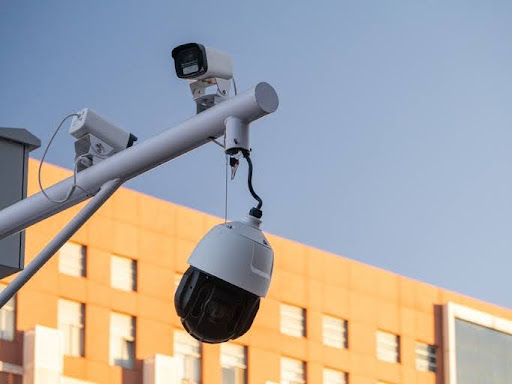
Negligent security generally refers to a situation where a property owner or another party responsible for a property fails to take reasonable safety measures, and that failure contributes to someone being harmed by a crime.
This does not mean property owners are responsible for every crime that happens on their property. It also does not mean a victim has an automatic claim simply because a shooting occurred in a parking lot.
Instead, negligent security claims require evaluating specific legal threshold questions:
- Was criminal activity reasonably foreseeable?
- Were there prior similar incidents or complaints on or near the premises?
- Did the property have broken lighting, gates, locks, cameras, or other security systems?
- Was security missing, poorly planned, or inadequately executed?
- Who controlled the parking lot or the area where the shooting happened?
- Did a security failure directly contribute to the victim’s injuries?
The answers depend on the location, the history of the property, the type of business, and the contractual duties of each company involved.
Who May Control the Parking Lot?
One of the most important questions after a parking lot shooting is determining which entities maintained operational control over the premises. Control dictates who bore the duty to repair hazards, hire security, maintain lighting, fix gates, preserve video, or respond to prior complaints.
Potentially liable parties may include:
- The property owner
- A commercial landlord
- A shopping center owner
- A hotel, apartment complex, nightclub, restaurant, or retail business
- A property management company
- A parking lot or parking garage operator
- A maintenance company
- A security company
- A company responsible for cameras, access gates, or lighting
In many instances, multiple parties share responsibility for different aspects of the property. For example, one company may own the lot, another may manage it, and a third contractor may provide security services. Reviewing leases, management agreements, security contracts, maintenance records, and incident reports is necessary to identify all responsible entities.
Evaluating Owner Liability vs. Criminal Responsibility
While the shooter bears direct criminal responsibility for committing violent acts, civil liability focuses on whether property managers fulfilled their duty to keep visitors safe. A property owner, management company, or security provider comes under legal scrutiny when clear warning signs preceded the shooting, such as prior similar crimes, repeated complaints, broken security features, or inadequate security practices in an area where violence was reasonably foreseeable.
Liability depends entirely on the evidence and the specific laws of the state where the shooting occurred. Premises liability rules vary significantly by jurisdiction, and victims should evaluate claims under the specific statutes and case law of that state.
What to Do Next After a Parking Lot Shooting
After emergency medical needs are addressed, organize your records and avoid navigating this complex process alone. Keep a dedicated folder containing medical records, police report numbers, receipts, photos, witness contact details, insurance letters, missed-work records, and any written communications from the property owner, security firm, or management office.
Our victim advocates can review your case, assist in gathering police and medical records, dispatch investigators to document the scene, and evaluate whether a negligent security claim is viable.
Support is available, and you do not have to figure out every detail on your own. Contact VictimAdvocate.com today to schedule a free, confidential consultation.
Frequently Asked Questions
1. Can a parking lot owner be responsible for a shooting?
A parking lot owner may be responsible in some situations, but not automatically. The key question is whether the shooting was reasonably foreseeable, whether the owner or another responsible party failed to take reasonable security measures, and whether that failure contributed to the victim’s injuries.
2. What is negligent security?
Negligent security means a property owner or another responsible party failed to provide reasonable safety measures for the property. In a parking lot shooting case, this may involve issues such as broken lighting, missing security guards, nonfunctioning cameras, unrepaired gates, ignored complaints, or prior similar crimes.
3. How do prior crimes affect a claim?
Prior crimes help establish that violence or serious criminal activity was foreseeable to the property owner. The more similar and recent the prior incidents are, the stronger they demonstrate foreseeability. However, prior crime history is one factor among many evaluated in a complete legal review.
4. Who may be liable when the parking lot is managed by another company?
Liability depends on which entity owned, managed, maintained, or controlled the parking lot area. A property owner, management company, parking operator, maintenance contractor, or security firm may share varying degrees of responsibility based on contractual duties and property control.
5. What evidence should be preserved immediately?
Critical evidence includes surveillance footage, internal incident reports, police reports, medical records, photos of lighting and security defects, witness statements, parking receipts, and historical crime logs. Because surveillance footage is frequently overwritten, sending formal evidence preservation notices immediately is vital.