
Parking Lots and Garages: Hotspots of Crime
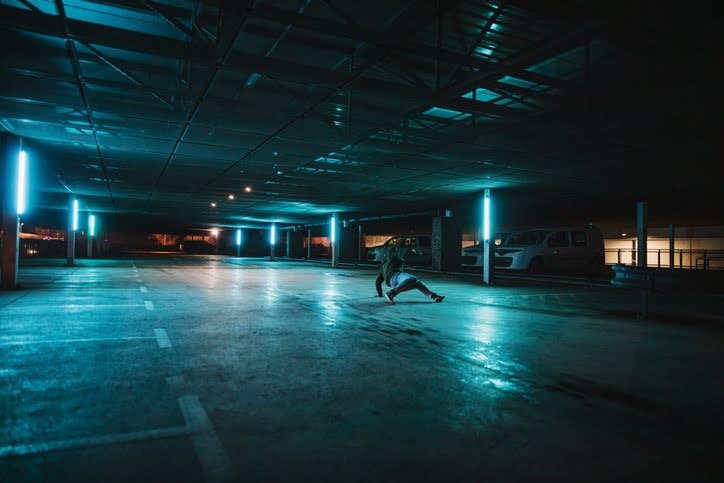
Parking lots and garages are often treated as routine pass-through spaces. People enter, park, walk to an elevator, load groceries, leave work, or head back to an apartment. But for many crime victims, these ordinary spaces become the place where everything changes.
Assaults, robberies, shootings, stabbings, sexual assaults, and carjacking-related violence can happen in parking areas connected to apartment complexes, hotels, shopping centers, bars, nightclubs, hospitals, office buildings, and event venues. When a property owner fails to take reasonable safety measures in an area where crime is foreseeable, the victim may have a negligent security claim.
That does not mean every crime could have been prevented. It also does not mean a property owner is automatically responsible anytime someone gets hurt. But when a parking lot or garage has known safety problems, a history of crime, or obvious security gaps, the owner or manager may have a duty to act.
If you or a loved one was harmed in a parking lot or garage, you may be wondering whether the attack could have been prevented. That question matters, and in some cases, the answer may point to negligent security.
Why Parking Lots and Garages Can Be Dangerous
Parking lots and garages can attract criminal activity for practical reasons. People are often alone, distracted, carrying bags, walking in the dark, or focused on getting into their vehicles. Garages can also have stairwells, blind corners, broken gates, isolated levels, poor lighting, and long stretches without staff nearby.
Property owners are not insurers of everyone’s safety. They cannot control every person who enters a parking area. But they may be required to take reasonable steps when they know, or should know, that people face a risk of violent crime on the property.
Reasonable security can look different depending on the location. A busy nightclub parking lot may need different precautions than a small office building. A large apartment garage may require access control, working lights, cameras, patrols, or repairs to broken gates. The key question is whether the security matched the risk.
Common Security Failures in Parking Areas
Many parking lot and garage crime cases involve conditions that made it easier for an attacker to harm someone. These problems are often visible before the incident occurs, especially when tenants, customers, or employees have complained about safety.
Some failures involve the physical condition of the property, such as poor lighting, broken locks, unsecured entrances, damaged fencing, malfunctioning gates, blocked sightlines, or stairwells that are not monitored. Others involve the way the property is managed, including missing security patrols, cameras that do not work, ignored complaints, failure to warn visitors, or reduced security despite prior incidents.
A parking garage doesn’t have to look abandoned to be unsafe. Sometimes the danger comes from small failures that build over time: a light that stays out for weeks, a gate that never closes, a camera that no one checks, or a stairwell that gives someone a place to hide.
Crimes That May Lead to a Negligent Security Claim
Negligent security claims often arise after violent crimes on commercial or residential property. Parking lots and garages are common locations for these incidents because they sit at the edge of public and private space. People expect to move through them safely, but they may not realize how exposed they are until something happens.
VictimAdvocate.com helps people affected by crimes such as assault, robbery, shooting, stabbing, sexual assault, and other violent incidents. When those crimes happen in a parking lot or garage, the legal review often focuses on what the property owner knew or should have known before the attack.
Prior police calls, reports of suspicious activity, broken security equipment, tenant complaints, poor maintenance records, and similar incidents nearby may all matter. These facts can help show whether the danger was foreseeable and whether better security could have reduced the risk.
Where These Incidents Often Happen
Parking lot and garage crimes can happen almost anywhere, but certain conditions may increase the risk of violence. Properties that operate late at night, serve alcohol, attract large crowds, experience frequent turnover of visitors, or have a history of criminal activity may face greater security challenges than other locations.
The risk may also increase when property owners fail to address known safety concerns. Poor lighting, broken gates, malfunctioning access controls, inadequate security staffing, or repeated reports of suspicious activity can all contribute to dangerous conditions when left unresolved.
For example, if a shopping center has repeated robberies in its parking lot, doing nothing may not be enough. If an apartment garage gate has been broken for months and strangers regularly enter the property, management may need to act. If a nightclub knows its parking lot becomes chaotic after closing, it may need security outside, not just at the front door.
What to Do After a Crime in a Parking Lot or Garage
Your safety comes first. If you are in immediate danger, call 911. If you have been injured, get medical attention as soon as possible, even if you are unsure how serious the injury is. Some injuries and trauma symptoms become clearer hours or days later.
When you can, try to preserve anything that may help document what happened. This may include photos of the area, the lighting, broken gates, damaged locks, missing cameras, stairwells, entrances, exits, or any visible hazards. Keep copies of police reports, medical records, incident reports, witness names, and communications with the property owner or manager.
Avoid relying on the property owner to preserve evidence without a formal request. Surveillance footage can be erased. Repairs can be made. Lighting can be fixed. Gates can be replaced. A victim advocate or attorney can help move quickly to request and protect evidence before it disappears.
Compensation May Be Available
Every case is different, but victims of parking lot and garage crimes may be able to seek compensation if negligent security contributed to the incident. Compensation may include medical expenses, future medical care, lost wages, reduced earning capacity, pain and suffering, emotional distress, counseling costs, rehabilitation, and other losses tied to the crime.
In fatal cases, surviving family members may have legal options as well. These cases are deeply personal, and they require careful attention to both the legal issues and the family’s grief.
No one should promise a specific outcome without reviewing the facts. The value of a case depends on the severity of the harm, the available evidence, prior crime history, insurance coverage, and how Florida law applies to the property and incident.
Frequently Asked Questions
Can I have a claim if the parking lot had security cameras?
Possibly. The presence of cameras does not automatically mean a property was reasonably secure. A review may look at whether the cameras worked properly, covered the relevant areas, and were part of an overall security plan.
What if the crime happened at night?
Many parking lot and garage crimes occur after dark. Poor lighting, limited visibility, and other security concerns may become important factors when evaluating whether a property owner took reasonable steps to address known risks.
Can a parking garage be unsafe even if it looks well maintained?
Yes. Some security issues are not obvious to visitors. Broken cameras, malfunctioning access controls, inadequate patrols, ignored complaints, or a history of criminal activity may contribute to safety concerns even when a property appears clean and maintained.
What if the property owner fixes the problem after the crime?
Property owners sometimes repair gates, replace lighting, install cameras, or make other changes after a violent incident. Those repairs do not necessarily determine whether the property was reasonably secure before the crime occurred.
How VictimAdvocate.com Can Help
After a violent crime, it can be hard to know what to do next. You may be dealing with pain, fear, medical appointments, missed work, police reports, insurance calls, and questions no one seems to answer clearly. You should not have to sort through all of that alone.
Our victim advocates can help you understand your rights, explore your options, and move forward. We can review what happened, look at whether negligent security may have played a role, identify potentially responsible parties, and help you seek compensation for your losses.
We can also help connect you with victim support resources, including crisis services, counseling, domestic violence support, court-based victim assistance, and other local or statewide programs when appropriate.
Contact a Victim Advocate After a Parking Lot or Garage Crime
If you or a loved one was harmed in a parking lot or garage, support is available. A violent crime can leave you with injuries, trauma, financial stress, and unanswered questions. VictimAdvocate.com can help you understand what happened, what options may be available, and what steps to take next.
We offer a free and confidential consultation. You only pay if we recover compensation for you.